
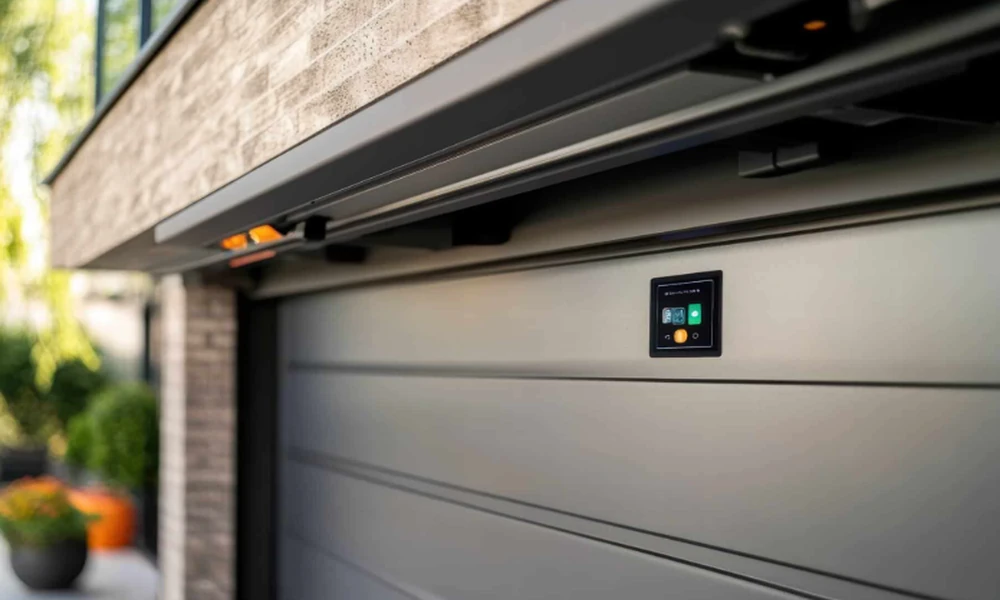
A garage door is one of the most frequently used moving systems in a home, yet it is often overlooked until something goes wrong. Regular maintenance does not require advanced tools or technical expertise, but it can significantly extend the lifespan of the entire system. Simple, consistent care helps prevent costly repairs, improves safety, and ensures smooth daily operation.
Keep All Moving Parts Clean and Lubricated
One of the most effective maintenance steps is lubrication. Rollers, hinges, springs, and tracks all experience friction every time the door opens or closes. Over time, this friction leads to wear and noise if not properly managed. Using a suitable garage door lubricant helps reduce strain on components and allows the system to move more smoothly.
Before applying lubricant, it is important to clean away dust, dirt, and old grease buildup. Clean components perform better and last longer, especially in environments exposed to moisture or debris.
Inspect Hardware for Wear and Tightness
Loose bolts, worn brackets, or damaged fasteners can affect the stability of the garage door system. Regular visual inspections help identify small issues before they turn into major problems. Tightening hardware ensures that the door remains properly aligned and balanced during operation.
Springs and cables should be checked carefully for signs of wear or fraying. These components are under high tension and should be handled with caution. If damage is suspected, professional assistance is recommended.
Test the Balance and Movement
A properly balanced garage door reduces strain on the opener and extends system life. To test balance, the door should be disconnected from the automatic opener and manually lifted halfway. If it stays in place, the balance is generally correct. If it moves up or down, the springs may need adjustment.
Smooth movement along the tracks is also important. Any grinding, jerking, or resistance can indicate misalignment or obstruction that should be addressed promptly.
Keep Tracks and Sensors Clear
Tracks should remain free of dirt, leaves, and debris that can block movement. Cleaning them periodically helps maintain smooth operation. Safety sensors, usually located near the base of the door, should also be kept clean and properly aligned to ensure they function correctly.
If sensors are blocked or misaligned, the door may not close properly or could reverse unexpectedly, affecting both safety and convenience.
Perform Regular Visual Checks
A quick monthly inspection can go a long way in preventing larger issues. Look for signs of rust, unusual noises, frayed cables, or slow operation. Early detection allows for minor adjustments before they escalate into expensive repairs or full system failure.
Consistency Is Key to Longevity
Extending the lifespan of a garage door is less about complex repairs and more about consistent upkeep. Small actions such as cleaning, lubricating, and inspecting components create long-term benefits. With regular attention, a garage door can remain reliable, safe, and efficient for many years, reducing the need for frequent replacements or emergency repairs.
This article was written by a professional at 1 Stop Garage Doors. We proudly serve homeowners and businesses with top-quality garage door spring repair in Naperville IL. We install premium doors and openers from trusted brands, ensuring reliability and customer satisfaction. Our expert team provides cost-effective solutions, arriving with fully stocked trucks to handle repairs on the spot, including torsion spring replacements, drum and roller fixes, and general maintenance to keep your garage door functioning smoothly.