


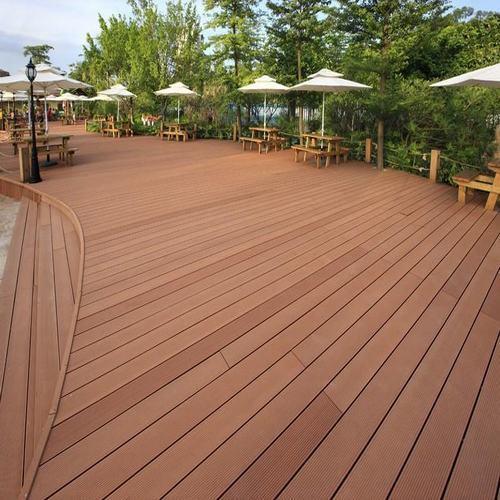
When it comes to modern flooring solutions, WPC Flooring has quickly become a favorite for homeowners, designers, and commercial property owners alike. Combining the durability of wood with the resilience of composite materials, WPC (Wood Plastic Composite) flooring offers an attractive, versatile, and low-maintenance alternative to traditional flooring options. Whether you are renovating your home, upgrading your office, or designing a new retail space, WPC flooring can be the ideal choice.
What is WPC Flooring?
WPC flooring is a type of luxury vinyl plank or tile made from a blend of wood fiber and thermoplastic materials. The composition generally includes wood flour, PVC, calcium carbonate, and various stabilizers. This mixture is compressed into planks or tiles that mimic the look of natural wood or stone while offering enhanced performance features such as water resistance and dimensional stability.
Unlike traditional hardwood floors, WPC flooring is engineered to withstand moisture, making it an excellent option for kitchens, bathrooms, basements, and even commercial environments. Its layered structure typically includes:
Wear Layer – A transparent, protective coating that resists scratches, stains, and daily wear.
Printed Vinyl Layer – A high-definition printed design layer that gives the flooring its realistic wood or stone appearance.
WPC Core – The heart of the plank, made from wood and plastic composites, providing stability and water resistance.
Backing Layer – Adds support, sound insulation, and additional moisture protection.
Advantages of WPC Flooring
Waterproof and Moisture-Resistant
Unlike hardwood or laminate, WPC flooring can handle moisture without warping or swelling. This makes it perfect for areas prone to spills or humidity.
Comfortable Underfoot
The composite core provides a softer and warmer feel compared to traditional tile or stone flooring. It also reduces noise, making it ideal for busy households or offices.
Stylish Designs
With advanced printing technology, WPC flooring offers a wide variety of patterns, textures, and colors, from rustic oak to sleek marble finishes.
Easy Installation
Many WPC flooring options come with a click-lock system, allowing for hassle-free floating installation without the need for nails or glue.
Low Maintenance
A quick sweep or occasional mop is all it takes to keep WPC floors looking their best. They do not require polishing, waxing, or special cleaners.
Durable and Long-Lasting
The rigid core and protective wear layer make WPC flooring resistant to dents, scratches, and daily wear, ensuring it lasts for years.
Common Applications of WPC Flooring
Thanks to its versatile performance and aesthetic appeal, WPC flooring is suitable for various spaces:
Residential Homes – Living rooms, bedrooms, kitchens, and bathrooms.
Commercial Spaces – Retail stores, offices, and hospitality environments.
Basements – Resistant to moisture and temperature changes.
High-Traffic Areas – Entryways, hallways, and reception areas.
Maintenance Tips for WPC Flooring
Maintaining WPC flooring is simple, but a few tips can help prolong its life:
Sweep or Vacuum Regularly – Prevent dirt and debris from scratching the surface.
Use a Damp Mop – For deeper cleaning, use a damp mop with a mild, pH-neutral cleaner.
Avoid Harsh Chemicals – Steer clear of bleach, abrasive cleaners, or oil-based products.
Protect from Heavy Furniture – Use felt pads or furniture glides to avoid dents.
Wipe Spills Immediately – Even though it’s water-resistant, prompt cleaning prevents staining.
Why Choose WPC Flooring Over Other Options?
When comparing WPC flooring with hardwood, laminate, or ceramic tile, its advantages stand out:
Versus Hardwood – WPC is more affordable, water-resistant, and easier to maintain.
Versus Laminate – While laminate offers style, it lacks the waterproof qualities of WPC.
Versus Tile – WPC is warmer, softer, and quieter underfoot.
Environmental Impact of WPC Flooring
Many WPC flooring products are made with recycled materials, reducing waste and promoting sustainability. Manufacturers are also developing low-VOC (volatile organic compound) options, making them safer for indoor air quality.
Installation Process of WPC Flooring
The click-lock system of WPC flooring makes it a popular DIY choice. The steps usually include:
Preparing the Subfloor – Ensuring it is clean, dry, and level.
Laying the Underlayment – Some WPC floors come with attached padding; if not, install underlayment for sound absorption and cushioning.
Click and Lock – Align the planks and click them into place, row by row.
Trimming and Finishing – Cut planks to fit edges and install baseboards for a polished look.
Cost Considerations
WPC flooring is generally more affordable than hardwood but slightly more expensive than standard laminate. Prices vary depending on thickness, design, and brand, but the investment is worthwhile given its durability, water resistance, and style versatility.
Final Thoughts
WPC Flooring offers the ideal combination of elegance, durability, and practicality. Its waterproof properties, ease of installation, and wide range of design options make it a top choice for homeowners and commercial spaces alike. Whether you want the timeless look of wood, the modern appeal of stone, or the cozy warmth of a textured finish, WPC flooring can deliver it all—without the drawbacks of traditional materials.
If you are planning your next flooring project, consider WPC flooring Dubai for a solution that blends performance with beauty, ensuring your space remains stylish and functional for years to come.